
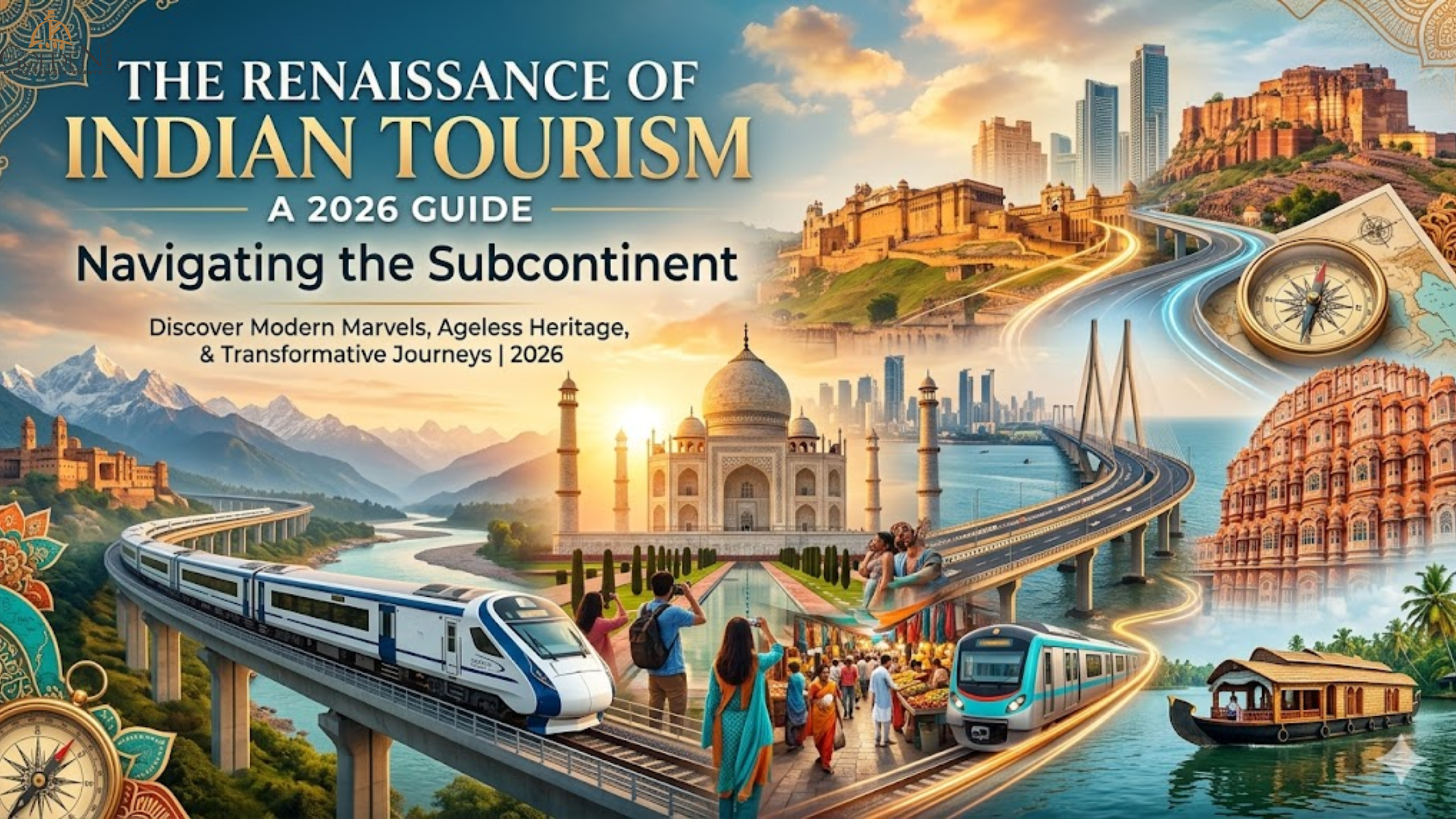
The Renaissance of Indian Tourism: A 2026 Guide to Navigating the Subcontinent
India is not just a destination; it is an emotion, a sensory overload, and a mosaic of cultures that have thrived for millennia. As we move through 2026, the way travelers experience this vast subcontinent has undergone a radical transformation. The shift from “mass tourism” to “curated experiences” has made the role of professional planners more critical than ever. Whether you are seeking the spiritual silence of the Himalayas, the regal grandeur of Rajasthan, or the tech-driven bustle of Bangalore, partnering with a reputable travel agency in india ensures that your journey is seamless, safe, and deeply authentic.
The New Era of Personalized Exploration
The modern traveler is no longer satisfied with “cookie-cutter” itineraries. Today, the focus is on bespoke travel packages that cater to specific interests—be it photography, culinary arts, or wellness.
Secondary Keyword: Custom Rajasthan Tours
Rajasthan remains the crown jewel of Indian tourism. However, the 2026 trend focuses on “Off-beat Rajasthan.” Instead of just visiting the crowded forts of Jaipur, travelers are now seeking boutique stays in rural havelis, leopard safaris in Jhalana, and stargazing sessions in the Thar Desert. A specialized agency helps in bridge-building between these hidden gems and the luxury comfort travelers expect.
Sustainable and Regenerative Travel
Sustainability is no longer a buzzword; it is a requirement. India’s diverse ecosystems—from the backwaters of Kerala to the high-altitude deserts of Ladakh—are fragile.
Eco-conscious Accommodations: Travelers are opting for solar-powered resorts and plastic-free zones.
Community-Based Tourism: Visitors now prefer experiences where a portion of their spend goes directly to local artisans and village cooperatives.
Carbon-Neutral Transport: The rise of Electric Vehicles (EVs) for city tours and inter-city transfers is a significant secondary trend in 2026.
The Technology Integration: AI and GEO
In 2026, the planning phase of a trip is driven by Generative Engine Optimization (GEO). Travelers use AI assistants to compare real-time data, weather patterns, and local festivities.
Secondary Keyword: Best Inbound Tour Operators
The best operators are those who integrate high-tech planning with “high-touch” service. While AI can suggest a route, it cannot handle a last-minute flight cancellation or provide the warmth of a local guide’s storytelling. This human-tech synergy is what defines the premium segment of the industry today.
Luxury Wellness and Spiritual Retreats
India has long been the global hub for Yoga and Ayurveda. However, the 2026 wellness circuit has expanded into “Neuro-Aesthetics” and “Digital Detox” retreats.
Ayurvedic Healing: Authentic centers in Rishikesh and Kerala are combining ancient herbal medicine with modern diagnostic tools.
Vipassana & Meditation: Short-term retreats for high-stress professionals are seeing record bookings, emphasizing mental clarity over physical sightseeing.
Safety, Hygiene, and Reliable Logistics
In a post-pandemic world, the assurance of hygiene and reliable logistics is the foundation of any trip. Professional agencies now provide:
Verified “Hygiene-Rated” hotels.
24/7 on-ground support via encrypted messaging apps.
GPS-tracked private vehicles for solo female travelers and families.
Culinary Tourism: Beyond the Butter Chicken
Food is the soul of India. Regional cuisines are gaining global recognition, and “Food Trails” are a major secondary keyword in 2026 travel searches.
The Spice Trails of Karnataka: Exploring the coffee and pepper plantations.
The Street Food of Old Delhi: A curated walk through centuries-old eateries with a certified food historian.
Mewari Royal Cuisine: Dining with descendants of noble families to understand the history of Rajasthani spices.
Why Jaipur is the Hub of North Indian Travel
Jaipur serves as the gateway to the “Golden Triangle.” Its proximity to Delhi and Agra, combined with its world-class airport facilities, makes it the ideal starting point for international tourists. The city’s evolution into a smart city while preserving its pink-tinted heritage is a masterclass in urban planning.
Conclusion: Making Memories That Last
India is a land of contradictions and beauty. To navigate its complexities, one needs a partner who understands both the tradition and the modernity of the land. It is about moving beyond being a tourist and becoming a witness to the living history of the subcontinent.
For those looking to craft these timeless experiences, The Golden Memories stands as a beacon of excellence, providing heart-led service and professional expertise to travelers from across the globe.
Frequently Asked Questions (FAQs)
Q1: What is the best time to visit India in 2026?
The peak season remains October to March for most of the country. However, for the Himalayas, the months of April to June are ideal to avoid the monsoon.
Q2: Is it safe for solo female travelers to visit India?
Yes, especially when booking through a verified agency. We recommend using private transport, staying in high-rated heritage hotels, and utilizing 24/7 support services.
Q3: Do I need a visa for India?
Most nationalities can apply for an e-Visa. It is recommended to apply at least 30 days before your travel date through the official government portal.
Q4: How can I ensure my trip is eco-friendly?
Choose operators that prioritize local homestays, avoid single-use plastics, and use carbon-offsetting initiatives for their transport fleets.
Q5: What are the must-visit cities in the Golden Triangle?
The classic circuit includes Delhi (the capital), Agra (home of the Taj Mahal), and Jaipur (the Pink City). Each offers a unique perspective on India’s history.
Q6: What is “Regenerative Travel”?
It goes a step beyond sustainability. It aims to leave a destination better than you found it, often through participating in local conservation or education projects.
Q7: Can itineraries be customized for dietary restrictions (e.g., Vegan or Gluten-free)?
Absolutely. India is a paradise for vegetarians, and most premium agencies can pre-arrange specific dietary requirements with hotels and local restaurants.

Comment (0)