
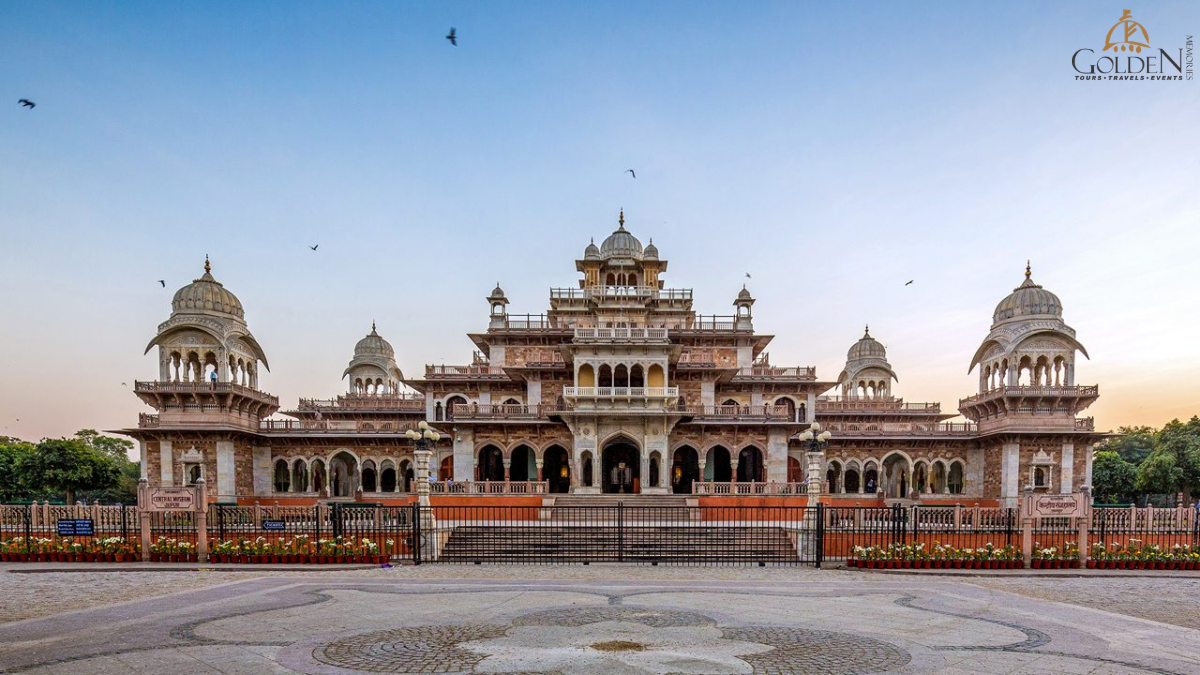
The Albert Hall Museum, also known as the Government Central Museum, is the oldest and most prestigious cultural institution in Rajasthan. Opened in 1887, it stands as a magnificent example of Indo-Saracenic architecture. Located in the heart of the scenic Ram Niwas Garden, it serves as a grand warehouse for artifacts that showcase the artistic and cultural supremacy of the state.
Dedicated to Prince Albert of Britain and named after him and Maharaja Ram Singh, the museum is a centerpiece for travelers. For those looking to explore the city efficiently, a Jaipur city tour package provides a seamless way to visit this landmark along with other royal sites.
Albert Hall Museum Tourist Information
| Feature | Details |
| Official Name | Albert Hall Museum (Government Central Museum) |
| Location | Ram Niwas Garden, Ashok Nagar, Jaipur, Rajasthan |
| Architect | Sir Samuel Swinton Jacob |
| Morning Timings | 9:00 AM to 5:00 PM |
| Night Timings | 7:00 PM to 10:00 PM |
| Photography | Generally allowed (check for restricted galleries) |
| Time Required | Approximately 3 hours |
Detailed Entry Fee Structure (2026)
| Category | General Ticket | Composite Ticket* | Night Visit Ticket |
| Indian Nationals | ₹40 | ₹300 | ₹100 |
| Indian Students | ₹20 | ₹40 | ₹100 |
| Foreign Tourists | ₹300 | ₹1000 | ₹100 |
| Foreign Students | ₹150 | ₹200 | ₹100 |
*The Composite Ticket allows entry to multiple monuments over two days.
The Historical & Architectural Saga
1. Origin and Construction
The museum’s foundation stone was laid by Prince Albert in 1876 during his visit to Jaipur. While originally intended to function as a town hall, it was eventually repurposed as a museum during the reign of Maharaja Madho Singh II to house the rich heritage of the region.
2. Indo-Saracenic Architecture
Designed by the famous architect Samuel Swinton Jacob, the building is a masterpiece of the Indo-Saracenic style. It features a unique fusion of:
Islamic and Mughal influence is seen in the grand domes and minarets.
Rajput elements are displayed through intricate stone carvings and jharokhas.
Gothic styles evident in its structural grandeur.
3. Design Marvels
The structure is primarily built from pink sandstone. It is celebrated for its symmetry, featuring large central domes flanked by smaller ones, arched openings, and elaborate balconies that represent the fine craftsmanship of the 19th century.
Must-See Exhibitions & Galleries
The Egyptian Mummy: The museum’s most famous attraction is a rare sarcophagus containing an ancient Egyptian mummy named Tutu. It is one of the few mummies available for public viewing in India.
Miniature Paintings: A vast collection of Rajasthani miniature artworks depicting mythology, court life, and nature.
Musical Instruments: A dedicated section showcasing traditional folk instruments from across Rajasthan.
Armor and Weaponry: An extensive display of weapons used by ancient warriors, including swords, shields, and armor.
Plan Your Visit: Travel Tips
Best Time to Visit
Season: October to March is the ideal period due to Jaipur’s pleasant winter climate.
Time of Day: Evenings are highly recommended, as the museum is beautifully illuminated at night, creating a magical atmosphere against the pink sandstone.
How to Reach
By Auto/Taxi: The museum is centrally located in Ram Niwas Garden and is easily accessible from any part of Jaipur.
By Bus: Local city buses stop frequently at the Albert Hall/Ram Niwas Garden gate.
Facilities for Visitors
Easy access via wheelchairs for senior citizens and differently-abled visitors.
Washroom facilities are available in the temple area.
Surrounded by the expansive lawn and garden area of Ram Niwas Garden for relaxation.
Nearby Attractions for a Full Day Out
Being centrally located, you can visit several other iconic sites near the Albert Hall Museum:
Ram Niwas Garden: A lush green space right next to the museum.
City Palace: The royal residence and museum complex.
Jantar Mantar: An ancient astronomical observatory and UNESCO World Heritage site.
Hawa Mahal: The famous “Palace of Winds”.
Bapu Bazaar: The best spot for traditional shopping.
Shopping and Food Nearby
Shopping: Head to Bapu Bazaar for traditional Rajasthani textiles, jewelry, and handicrafts. It is within walking distance and offers the best local souvenirs.
Food: After your museum tour, you can find various local eateries around MI Road and Bapu Bazaar. Don’t miss trying the local “Pyaaz Kachori” or visiting the nearby Masala Chowk for a variety of Jaipur’s best street food in one place.
Frequently Asked Questions (FAQ)
1. Is photography restricted in the museum?
Generally, there are no photography restrictions, but it is always best to check for specific “No Camera” signs in certain high-value artifact galleries.
2. What are the night timings for the museum?
The museum is open for night visits from 7:00 PM to 10:00 PM.
3. Is there a composite ticket option?
Yes, a composite entry ticket is available for ₹300 (Indians) and ₹1000 (Foreigners), which includes entry to several other city monuments.
4. Can I find a mummy here?
Yes, the museum is famous for its authentic ancient Egyptian mummy named Tutu.
5. Is the museum accessible to senior citizens?
Yes, the facility offers wheelchair access to ensure a comfortable visit for elderly guests.
6. Who is the museum named after?
It is named after Prince Albert of Britain and Maharaja Ram Singh.
7. How much time should I spend at Albert Hall?
Most visitors find that 3 hours is sufficient to explore the galleries and architecture thoroughly.
Conclusion
The Albert Hall Museum is a testament to the architectural and cultural vision of Jaipur’s history. From the enigmatic Egyptian mummy to the stunning Indo-Saracenic stonework, it offers an educational and visual feast. To make your journey even more convenient, consider booking a jaipur one day tour to visit this iconic museum alongside the Amer Fort and other city wonders.

Comment (0)