
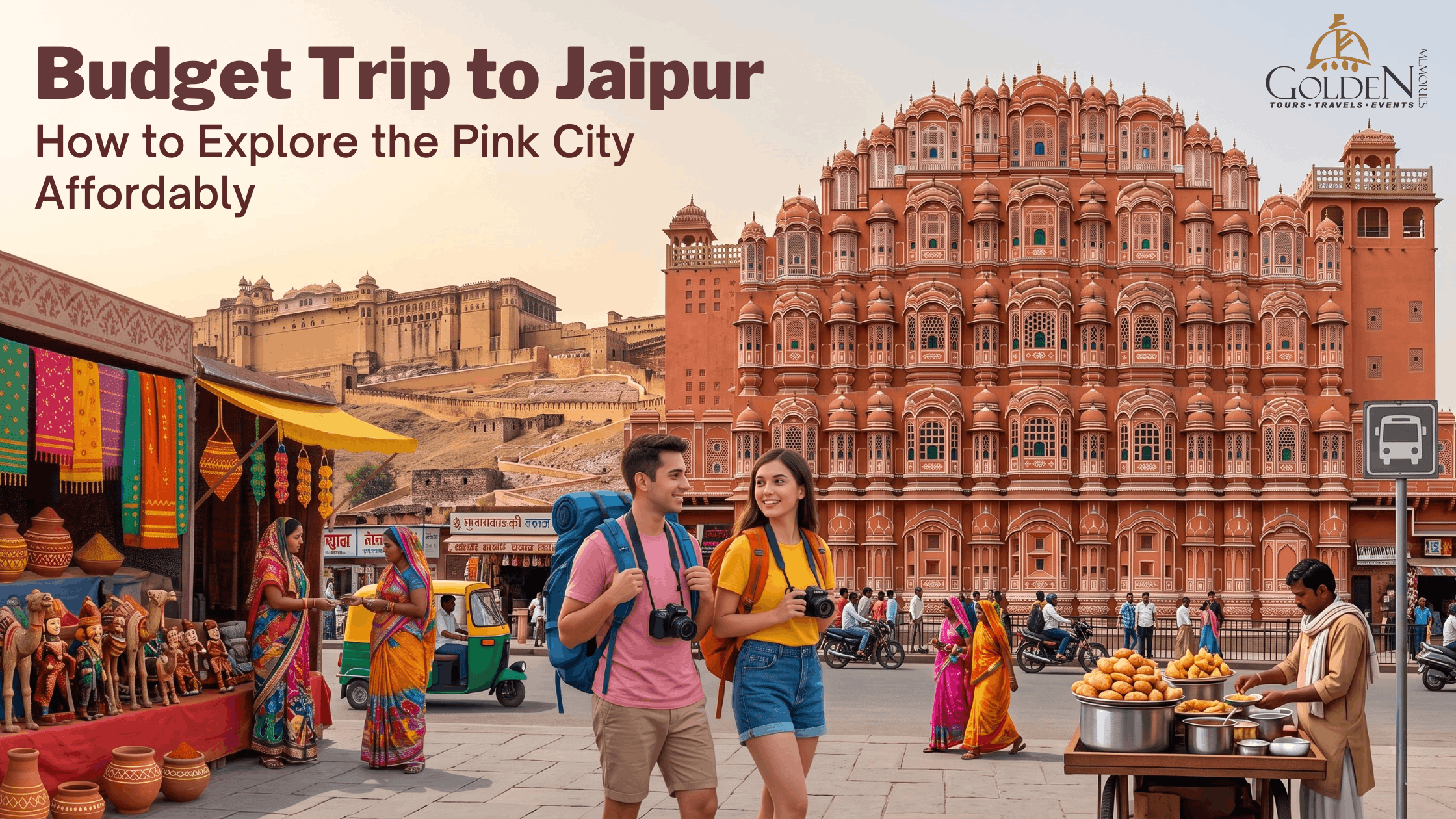
Jaipur, the capital of Rajasthan, evokes images of royal palaces, opulent heritage hotels, majestic elephants, and grand luxury. It is globally celebrated as a destination for kings, queens, and luxury seekers. But what if you want to experience the magic of the Pink City without breaking the bank?
Can you truly experience the grandeur of Rajasthan on a shoestring budget? The answer is a resounding yes.
As we navigate travel in 2026, Jaipur remains one of the most accessible and budget-friendly historical cities in India. With an expanding metro network, a thriving hostel culture, incredibly affordable street food, and smart ticketing options for monuments, planning a budget trip to Jaipur is easier than ever.
Whether you are a solo backpacker, a college student on a weekend getaway, or a family looking to maximize travel savings, this comprehensive 2000+ word guide will walk you through exactly how to explore Jaipur affordably, from cheap eats to free attractions, without compromising on the royal experience.
Timing is Everything: When to Plan Your Budget Trip to Jaipur
The cost of your trip is heavily dictated by the season. Jaipur experiences a massive surge in tourism during the peak winter months, leading to skyrocketing hotel and transport prices.
- The Peak Season (November to February): This is the most expensive time to visit. The weather is perfect, but hotels charge premium rates, and budget accommodations sell out months in advance.
- The Shoulder Season (September, October, and March): This is the sweet spot for budget travelers. The weather is generally pleasant, the skies are clear, and you can easily find hotel and hostel rates slashed by 30% to 40% compared to December.
- The Monsoon Season (July to August): If you don’t mind occasional rain, this is the cheapest time to visit. The Aravalli hills turn a lush, vibrant green, making spots like Nahargarh Fort incredibly beautiful. Budget homestays and hotels offer massive discounts to attract off-season tourists.
Affordable Transportation: Getting There and Getting Around
Transportation can quickly eat into your budget if you aren’t careful. Here is how to navigate the Pink City like a local in 2026.
Getting to Jaipur Affordably
- By Train: The Indian Railways network is your best friend. Trains like the Shatabdi Express, Double Decker, or the Vande Bharat provide fast, affordable connectivity from Delhi (taking just 3.5 to 4 hours). Sleeper class or AC 3-Tier tickets are incredibly budget-friendly.
- By Bus: The Rajasthan State Road Transport Corporation (RSRTC) operates a fleet of excellent, highly affordable buses. You can choose between basic non-AC buses (super cheap) or comfortable AC Volvo buses (moderately priced) connecting Jaipur to Delhi, Agra, and Udaipur.
Getting Around the City on a Budget
- The Jaipur Metro: The city’s metro system is fast, air-conditioned, and heavily underutilized by tourists. Fares range from ₹10 to ₹25. The metro perfectly connects the Railway Station (Railway Station Metro Stop) to the Old City (Badi Chaupar/Chandpole stops).
- E-Rickshaws & City Buses: For short distances, electric rickshaws (E-rickshaws) are eco-friendly and very cheap (usually ₹10 to ₹20 per seat on a shared basis). Low-floor AC city buses run on major routes and cost pennies.
- Two-Wheeler Rentals: If you know how to ride, renting a scooty or a motorcycle is the ultimate budget hack. Rental shops near the Sindhi Camp bus stand and Railway Station offer scooters for ₹300 to ₹500 per day. This saves you from haggling with auto-rickshaws, especially when visiting the forts outside the main city.
- Rideshare Apps: Ola and Uber operate smoothly in Jaipur. Opt for “Ola Auto” or “Uber Moto” (bike taxis) for the cheapest private point-to-point transit.
Where to Stay: Budget Accommodation in Jaipur
You do not need to spend ₹10,000 a night to experience Rajasthani hospitality. Jaipur has a booming budget accommodation sector.
- Backpacker Hostels: Jaipur is a hub for backpackers. Chains like Zostel, Moustache, Hosteller, and goStops offer clean, vibrant, and safe dormitory beds ranging from ₹350 to ₹700 per night. These hostels are mostly located in safe, central areas like Bani Park and C-Scheme. They also provide communal kitchens, free Wi-Fi, and great networking opportunities to split cab fares with other travelers.
- Budget Heritage Guesthouses: Many old family homes in Jaipur have been converted into budget guesthouses. For ₹1,000 to ₹1,800 a night, two people can share a private room featuring traditional Rajasthani arches, frescoes, and a rooftop view.
- Pro Tip for Booking: Avoid booking on the spot. Instead, book a curated budget package directly through our website. We bundle reliable, verified budget hotels with reliable local transport, saving you from hidden fees and deceptive online listings.
The Golden Hack: Tourist Composite Tickets
If you plan to visit multiple monuments, do not buy individual tickets.
The Department of Archaeology and Museums issues a Composite Entry Ticket. As of recent updates, this ticket is valid for two consecutive days and grants you access to almost all major historical sites, including:
- Amer Fort
- Albert Hall Museum
- Jantar Mantar (Observatory)
- Hawa Mahal
- Nahargarh Fort
- Isarlat (Sargasuli)
Purchasing the composite ticket costs significantly less than buying individual passes for each site. Furthermore, if you hold a valid Student ID Card, you are entitled to massive discounts on monument entries—sometimes up to 50% off!
Top Free and Low-Cost Sightseeing in Jaipur
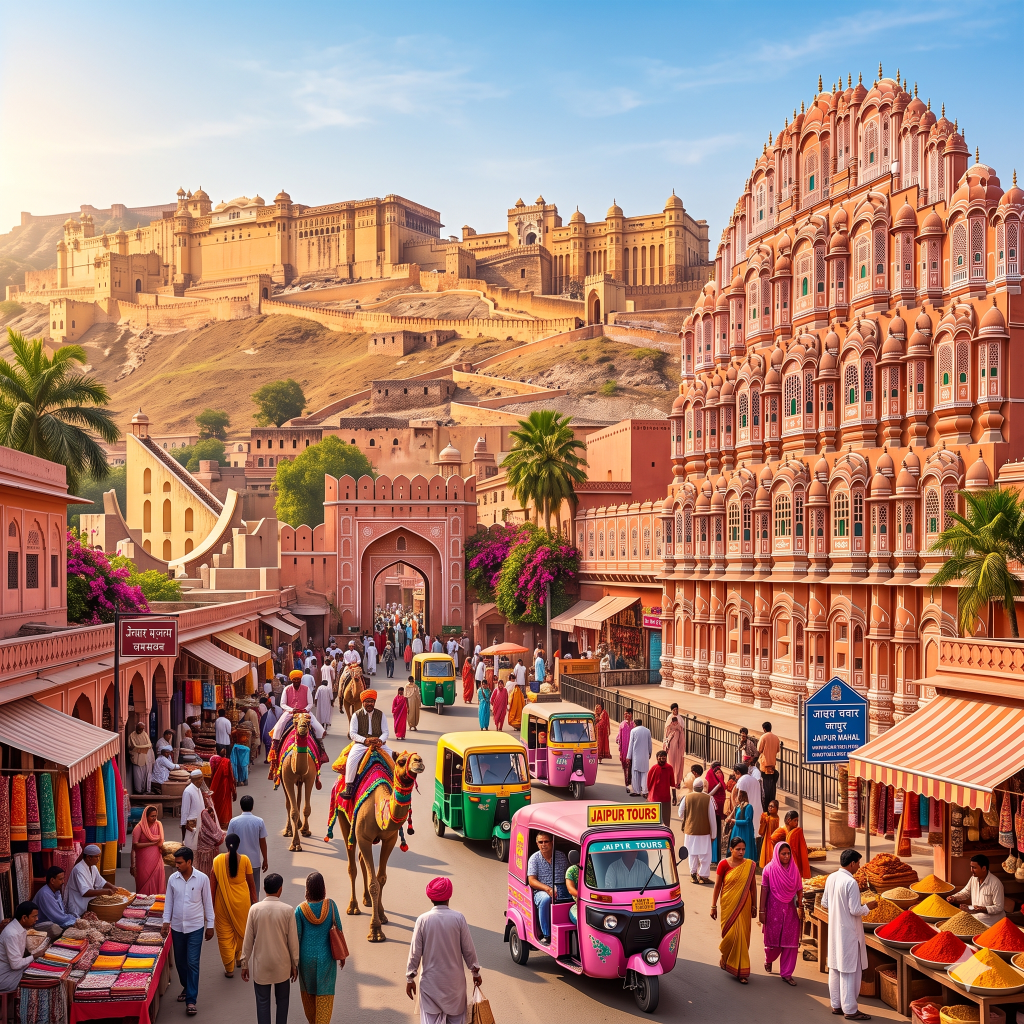
A budget trip to Jaipur doesn’t mean missing out on the beauty. Many of the city’s most breathtaking sights are completely free or cost very little to experience.
- Galta Ji (The Monkey Temple): Nestled in a narrow crevice in the hills surrounding Jaipur, this stunning temple complex features natural water springs and hundreds of resident macaques. Entry is free (though a small, nominal donation or camera fee is sometimes requested).
- Jal Mahal (Water Palace) Promenade: You cannot go inside the Jal Mahal, but walking along the Man Sagar Lake promenade at sunrise or sunset to view the palace floating on the water is 100% free and incredibly photogenic.
- Patrika Gate: Located near Jawahar Circle, the Patrika Gate is a massive, highly vibrant architectural marvel featuring hand-painted frescoes of Rajasthani culture. It is one of the most Instagrammable spots in the city, and entry is completely free.
- Hawa Mahal (From the Outside): While the inside is beautiful, the iconic, honeycomb facade of the Hawa Mahal is best viewed from the street. For the cost of a ₹100 cup of coffee, you can sit at the Wind View Cafe directly opposite the monument and get million-dollar photographs.
- Albert Hall Museum at Night: While you need a ticket to go inside during the day, the exterior of this stunning Indo-Saracenic building is illuminated with vibrant, changing LED lights every evening. Sitting on the plaza outside and taking photos costs nothing.
Eating Like a King on a Pauper’s Budget
Rajasthani food is rich, spicy, and incredibly satisfying. To save money, skip the upscale fine-dining tourist traps and eat where the locals eat.
- Pyaaz Kachori at Rawat Misthan Bhandar: Located near the Sindhi Camp bus stand, a massive, deep-fried onion kachori here costs under ₹60 and is heavy enough to serve as a full breakfast.
- Lassiwala on MI Road: A Jaipur institution. A large kulhad (earthen clay cup) of thick, sweet, creamy lassi costs around ₹70 to ₹80 and is a must-have energy booster.
- Masala Chowk: Located near the Albert Hall Museum, Masala Chowk is an open-air food court that brings all of Jaipur’s famous street food vendors into one clean, hygienic location. The entry fee is just ₹10, and you can feast on everything from Dal Baati Churma to Golgappas for under ₹300 per person.
- Local Dhabas: For dinner, look for local vegetarian Dhabas (eateries) serving the standard “Rajasthani Thali.” For ₹150 to ₹250, you get an unlimited, freshly cooked meal featuring roti, rice, multiple vegetable curries, dal, and papad.
Budget Shopping: Master the Art of Bargaining
Jaipur is a shopper’s paradise for textiles, jewelry, and leather goods. However, tourist markets are known for heavily inflated starting prices.
- Bapu Bazaar: The ultimate spot for traditional Mojaris (camel leather shoes), block-printed bedsheets, and Bandhani dupattas.
- Johari Bazaar: Famous for affordable imitation jewelry, silver artifacts, and Lac bangles.
- The Bargaining Rule: Never accept the first price in the street markets. A standard rule of thumb for budget backpackers is to start your counter-offer at 40% to 50% of the quoted price and politely negotiate until you meet in the middle. Walk away if it feels too expensive; you will likely find the exact same item three shops down.
A Quick 2-Day Budget Itinerary
If you want to maximize your time without overspending on transport, group your sightseeing geographically.
Heritage Pink city Tour Fort & Palaces
Day 1: The Pink City Heritage Walk
- Morning (9:00 AM): Take the metro to Badi Chaupar. Walk to the Hawa Mahal for exterior photos.
- Late Morning (10:00 AM): Use your Composite Ticket to explore the City Palace (exterior areas) and Jantar Mantar.
- Lunch (1:00 PM): Grab a cheap thali or kachoris in Johari Bazaar.
- Afternoon (2:30 PM): Explore the lanes of Bapu Bazaar for budget shopping.
- Evening (5:30 PM): Head to the Albert Hall Museum to see the night illuminations and have dinner at Masala Chowk.
Day 2: The Forts and Hills
- Morning (8:00 AM): Rent a scooty or take a local bus to Amer Fort. Arrive early to beat the crowds and the heat.
- Late Morning (11:30 AM): Visit the nearby Panna Meena ka Kund (historic stepwell – free entry).
- Lunch (1:30 PM): Stop along Amer Road for local street food or visit a basic roadside dhaba.
- Afternoon (3:00 PM): View the Jal Mahal from the promenade.
Evening (4:30 PM): Drive your scooty up the winding hills to Nahargarh Fort to watch the sunset over the entire city of Jaipur.
Frequently Asked Questions (FAQ): Budget Travel in Jaipur
To ensure you are fully prepared, here are detailed answers to the most common questions about planning a budget trip to Jaipur in 2026.
1. How much does a 2-day budget trip to Jaipur cost?
Excluding your flights/trains to reach the city, a frugal backpacker can comfortably manage a 2-day trip for ₹3,000 to ₹4,500. This includes a hostel bed, local transport (scooty rental or metro), street food, and monument entry tickets.
2. Is Jaipur an expensive city for tourists?
It can be, but it doesn’t have to be. Jaipur caters to both billionaires staying in palace hotels and backpackers in ₹400-a-night hostels. Your budget depends entirely on your choices.
3. What is the absolute cheapest way to travel locally in Jaipur?
The Jaipur Metro and low-floor AC city buses are the cheapest options, with fares rarely exceeding ₹25. E-rickshaws are excellent for short, last-mile connectivity.
4. Does the Jaipur Metro cover major tourist spots?
Yes. The metro directly connects the main Railway Station to the historic walled city (Badi Chaupar and Chandpole stations), putting you within walking distance of the Hawa Mahal and Jantar Mantar.
5. Are there free places to visit in Jaipur?
Yes! The Patrika Gate, Jal Mahal promenade, Galta Ji (Monkey Temple), and the bustling local bazaars (like Johari and Bapu Bazaar) are completely free to explore.
6. How can I save money on monument entry fees?
Always purchase the Composite Entry Ticket issued by the government, which covers 6-8 major monuments for a single, discounted flat rate.
7. Do student IDs get discounts at monuments? Yes!
If you are a student, always carry your valid, current school or university ID card. You can receive up to a 50% discount on monument entry fees.
8. Where can I find the cheapest, safe street food?
Masala Chowk near Albert Hall is fantastic for hygienic, affordable local food. Alternatively, Mi Road features budget staples like Lassiwala and Rawat Kachori.
9. Is it safe to stay in budget hostels in Jaipur?
Yes, Jaipur’s hostel culture is very mature. Reputable chains like Zostel, Moustache, and The Hosteller are highly secure, offer female-only dorms, and have 24/7 front desk security.
10. Can I rent a scooty in Jaipur, and what does it cost?
Yes. Renting a scooty requires a valid driver’s license and an ID deposit. Costs range from ₹300 to ₹500 per day, making it the most cost-effective way to visit distant forts like Amer and Nahargarh.
11. What is the best budget shopping market?
Bapu Bazaar is best for textiles, mojari shoes, and handicrafts. Remember that bargaining is expected here.
12. How much should an auto-rickshaw cost from the railway station to the city center?
Auto-rickshaw drivers often overcharge tourists. A ride from the station to Bani Park or C-Scheme should cost roughly ₹60 to ₹100. Use Ola/Uber to check the real-time baseline fare before negotiating.
13. Is Uber/Ola cheaper than local street autos?
Generally, yes, because the fare is fixed and algorithm-driven, removing the “tourist tax” that street autos often try to apply. Bike taxis (Uber Moto/Ola Bike) are incredibly cheap for solo travelers.
14. Can I visit Amer Fort on a budget?
Yes. Skip the expensive elephant rides (which are heavily discouraged for ethical reasons anyway) and simply walk up the cobbled path to the fort. The walk takes about 15-20 minutes and is completely free.
15. What are the best budget accommodation areas in Jaipur?
Bani Park, C-Scheme, and Hathroi Fort are safe, central, and packed with budget hostels and mid-range guesthouses.
16. When do hotel rates drop the most in Jaipur?
Hotel rates plummet between April and August during the harsh summer and monsoon months. You can often book 3-star boutique hotels for the price of a hostel bed during this time.
17. How do I avoid tourist traps and scams to save money?
Never take shopping recommendations from auto-rickshaw drivers or unauthorized guides; they earn heavy commissions from those specific stores, and the cost is passed on to you. Use GPS to map your own routes.
18. Can I get cheap, safe drinking water?
Instead of buying multiple plastic bottles (which is bad for the budget and the environment), carry a reusable steel flask. All hostels and decent restaurants offer free RO filtered water refills.
19. Is alcohol expensive in Jaipur?
Taxes on alcohol in Rajasthan are relatively high. If you are on a strict budget, avoid drinking at rooftop lounges where a single beer can cost ₹400+. Opt for government-approved retail shops if you wish to drink at your hostel.
20. Should I hire a guide or explore independently?
To save money, skip the expensive human guides. Instead, download free or low-cost audio guide apps on your smartphone, or read up on the history of the forts online before your visit.
Conclusion: Jaipur on a Budget is a Rewarding Adventure
A trip to the Pink City does not require a royal treasury. By traveling during the shoulder season, utilizing the highly efficient metro, indulging in local street food, and grouping your sightseeing geographically, you can experience the absolute best of Jaipur while keeping your wallet perfectly intact. A Jaipur city tour package forces you to step out of the luxury tourist bubble and experience the vibrant, authentic, and bustling daily life of Rajasthan.
Disclaimer & Action Guide
All transport fares, hostel rates, and monument ticket guidelines mentioned above reflect standard market conditions for the 2026 travel season. Prices are subject to minor seasonal fluctuations and local government policy updates.
Want to Explore Jaipur on a Budget Without the Hassle?
Navigating a new city can sometimes lead to unexpected expenses through tourist traps or overpriced transit. Take the stress out of your budget travel! Book your custom budget-friendly travel package directly through our website today. We bundle reliable, safe budget stays with verified local transportation and expert itinerary planning, ensuring you get the absolute best experience for the lowest possible price.

Comment (0)